Deep in the southwest of Libya, close to the borders of Algeria and Niger, lies the historic town of Ghat. At first glance, it may seem remote. However, once you arrive, it becomes clear that Ghat is not isolated at all. Instead, it stands as a cultural heart of the Sahara, shaped by centuries of movement, exchange, and human connection.
Surrounded by the dramatic landscapes of the Akakus Mountains, Ghat offers travelers a rare chance to experience a way of life that has remained deeply connected to tradition. While many destinations change quickly, Ghat continues to move at the steady pace of the desert, guided by community values and respect for heritage.
The People of Ghat and Daily Life
First and foremost, Ghat is defined by its people. The majority of the population belongs to the Tuareg, an indigenous Saharan community known for its deep understanding of desert life. For generations, the Tuareg have lived as traders, guides, and storytellers, passing knowledge across vast distances of sand and stone.
Even today, hospitality remains central to life in Ghat. Visitors are welcomed with warmth, conversation, and traditional tea. At the same time, family and community ties shape everyday routines. Elders are respected as keepers of memory, while younger generations learn through observation and shared experience rather than formal instruction.
Moreover, women play an essential role in preserving cultural identity. Through language, poetry, and craftsmanship, they help ensure that traditions remain alive and meaningful.
Language and the Power of Storytelling
In Ghat, language is more than a tool for communication. It is a living connection to the past. Alongside Arabic, many residents speak Tamasheq, the language of the Tuareg people. This language is written using Tifinagh, an ancient script that continues to hold cultural significance today.
As a result, storytelling remains one of the most important traditions in the town. History is not only recorded in books but also shared through spoken stories, poetry, and song. In the evenings, people gather to listen, reflect, and pass on lessons learned from the desert. For visitors, these moments offer a deeper understanding of life in the Sahara that no guidebook can provide.
Music and Cultural Celebration
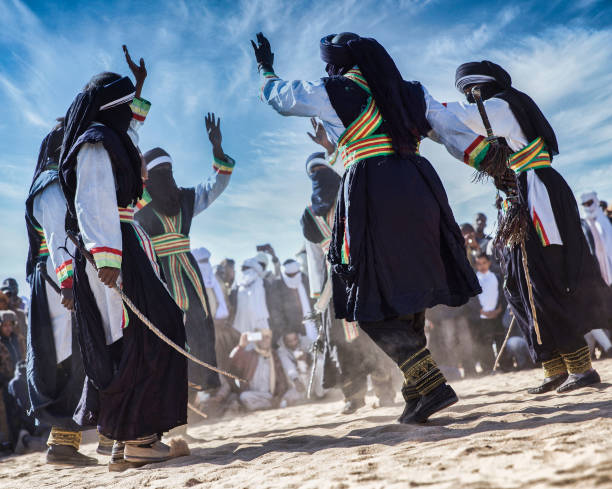
Just as storytelling plays a central role, music also brings the community together. Traditional songs are performed with drums and the imzad, a single stringed instrument closely tied to Tuareg culture. These melodies often reflect themes of travel, endurance, love, and the vast desert landscape.
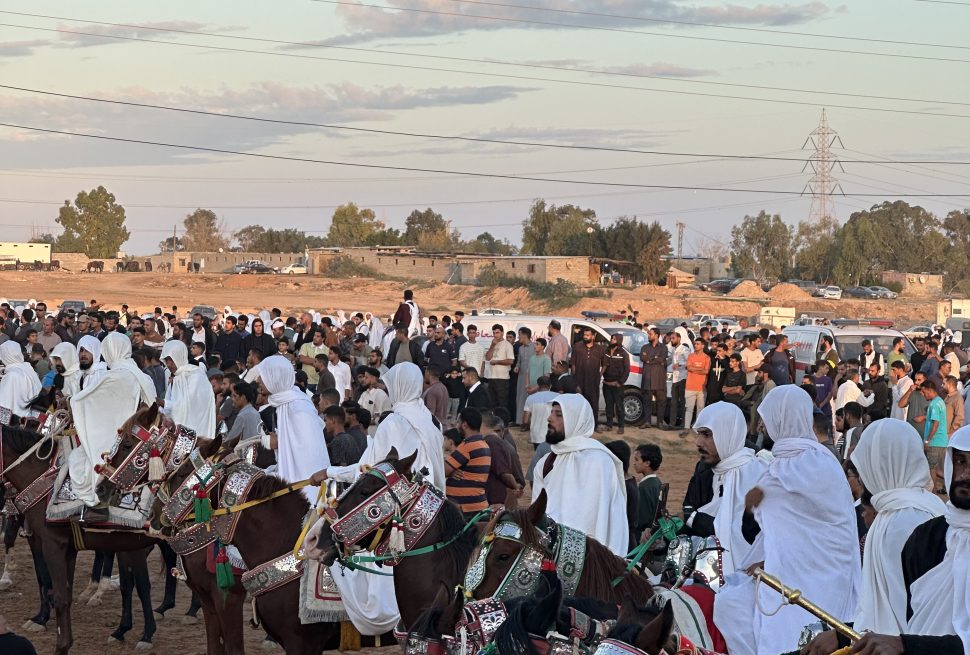
Furthermore, celebrations in Ghat are deeply communal. Weddings, seasonal gatherings, and cultural events are shared experiences rather than performances. During these moments, rhythm, movement, and shared meals create a strong sense of unity and belonging.
Traditional Clothing and Craft
In addition to music and language, traditional clothing remains a visible expression of identity in Ghat. Men often wear the indigo dyed veil that protects them from sun and sand while also symbolizing maturity. Women wear colorful garments and silver jewelry that is often handmade and passed down through families.
At the same time, local artisans continue to practice traditional crafts. Leather goods, jewelry, and decorative items are created using techniques refined over centuries. Each piece reflects the environment, the history of trade, and the creativity of desert life.
Ghat Old Town and Desert Architecture
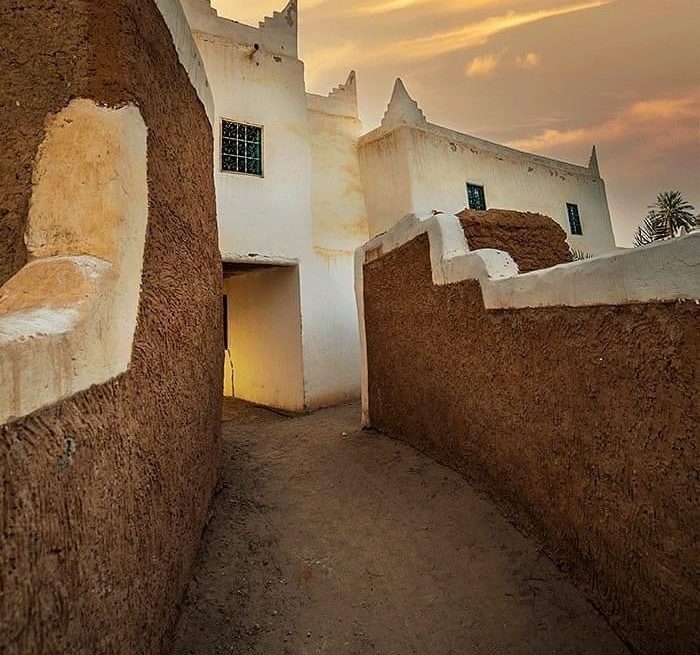
Another defining feature of Ghat is its old town. Built from mud brick and stone, the architecture reflects both environmental knowledge and social values. Thick walls help regulate temperature, while narrow alleys provide shade and protection from the heat.
Additionally, the layout of the town emphasizes community. Homes are closely connected, courtyards offer privacy, and shared spaces encourage interaction. Walking through the old town reveals how architecture and daily life are deeply intertwined.
Ghat and Its Role in Saharan History
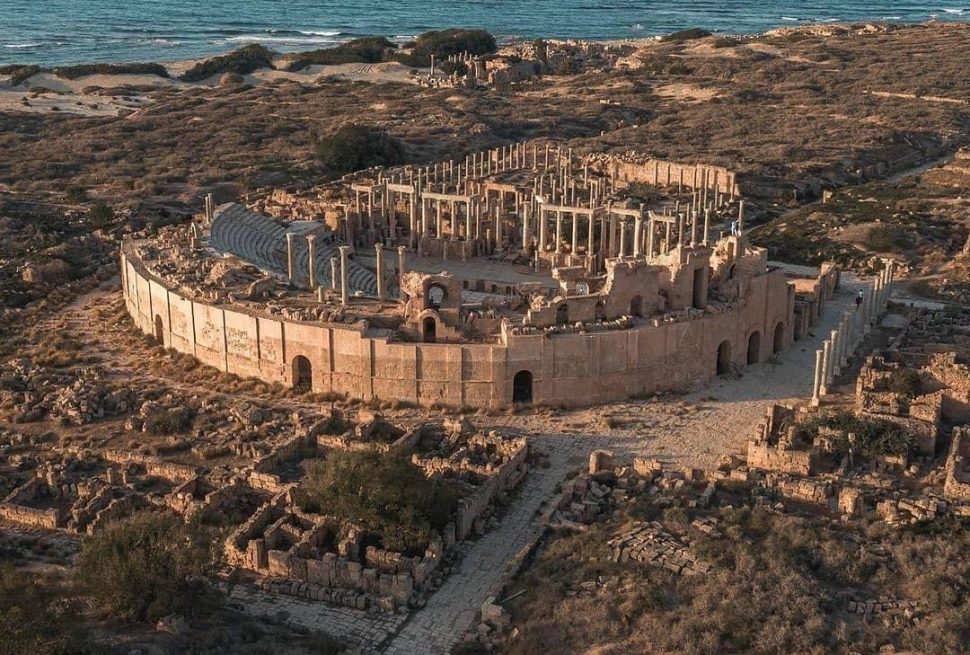
Over time, Ghat became an important center along the trans Saharan trade routes. Traders passed through carrying gold, salt, textiles, and ideas between North Africa and regions further south. Because of this, Ghat developed a culture shaped by exchange and openness.
Even now, this history can be felt in the customs, languages, and welcoming nature of the town. Ghat has always been a meeting place, and that spirit continues to define it today.
Discovering Ghat with IntoLibya
Visiting Ghat requires thoughtful planning and local expertise. For this reason, IntoLibya offers carefully designed journeys that focus on authentic experiences and respectful cultural exchange.
Through IntoLibya, travelers can explore the old town with local guides, share meals with Tuareg families, and journey into the surrounding desert landscapes. Every experience is created in partnership with the community, ensuring that travel benefits both visitors and locals alike.
Rather than rushing through landmarks, these journeys encourage connection, understanding, and meaningful moments.
Why Ghat Leaves a Lasting Impression
Ultimately, Ghat is more than a destination. It is a place where culture, history, and humanity remain deeply connected to the land. Its people carry centuries of knowledge shaped by resilience, cooperation, and respect for the desert.
For travelers seeking a deeper understanding of Libya, Ghat offers an experience that feels both timeless and profoundly human.Join us on a tour or follow our journey on instagram via @intoLibya.